NWRC’s Strategic Role and Impact
The Environmental Sustainability & Climate theme reflects NWRC’s commitment to supporting Egypt’s environmental security and climate adaptation agenda. Through integrated research, field monitoring, and lab-based innovations, NWRC provides robust scientific foundations for safeguarding water quality, coastal zones, and ecological health while enabling climate-resilient water management. This thematic area supports national development goals, the SDGs, and Egypt’s commitments under global frameworks such as the Paris Agreement and the Sendai Framework for Disaster Risk Reduction.
Climate Change & Water Resilience
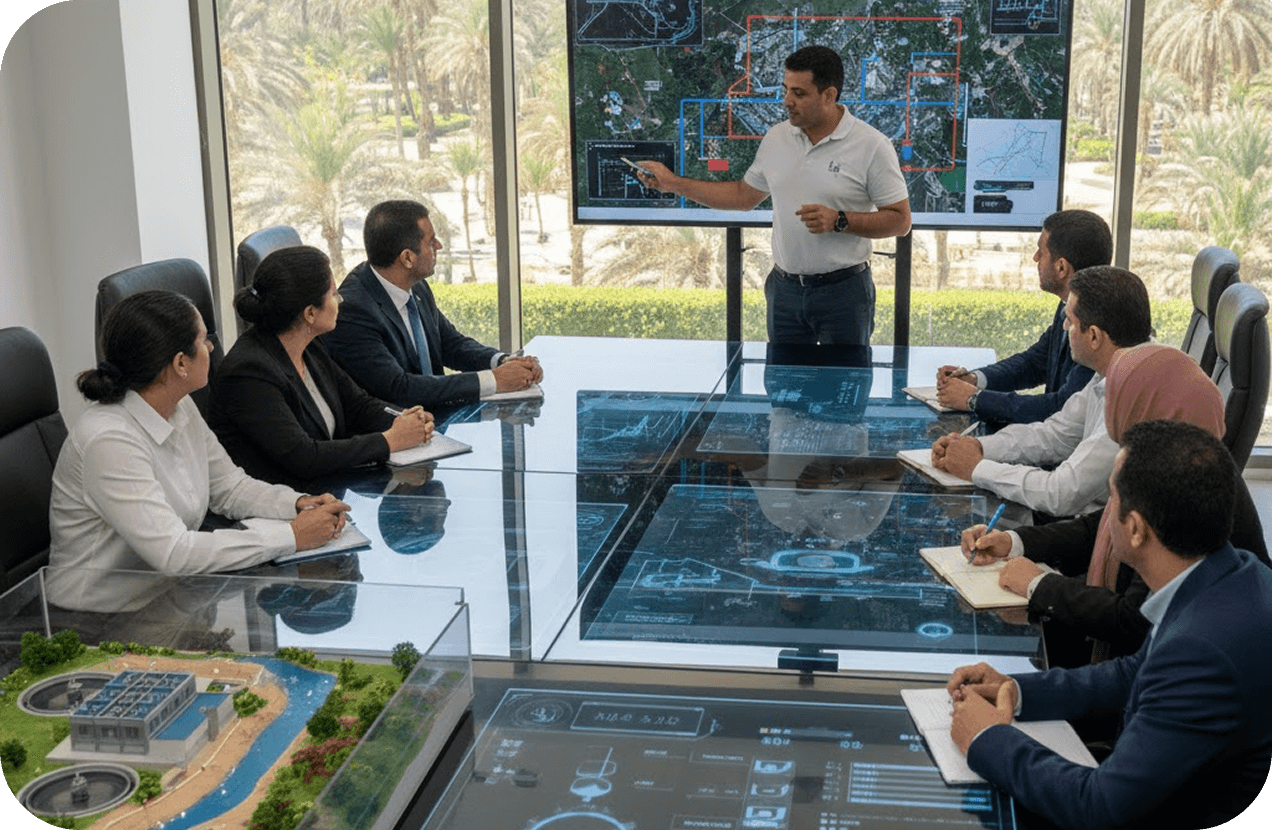
NWRC leads Egypt’s efforts in understanding and responding to the impacts of climate change on water systems. Core areas of work include:
- Climate impact assessments on water availability, demand, and variability
- Vulnerability mapping for agriculture, deltas, and coastal areas
- Development of adaptation strategies and decision support tools
- Integration of climate scenarios in water policy and infrastructure design
NWRC is a key technical partner in Egypt’s National Adaptation Plan (NAP) process and contributes to IPCC-aligned research on water-climate interactions.
Water Quality, Pollution Control & Environmental Health
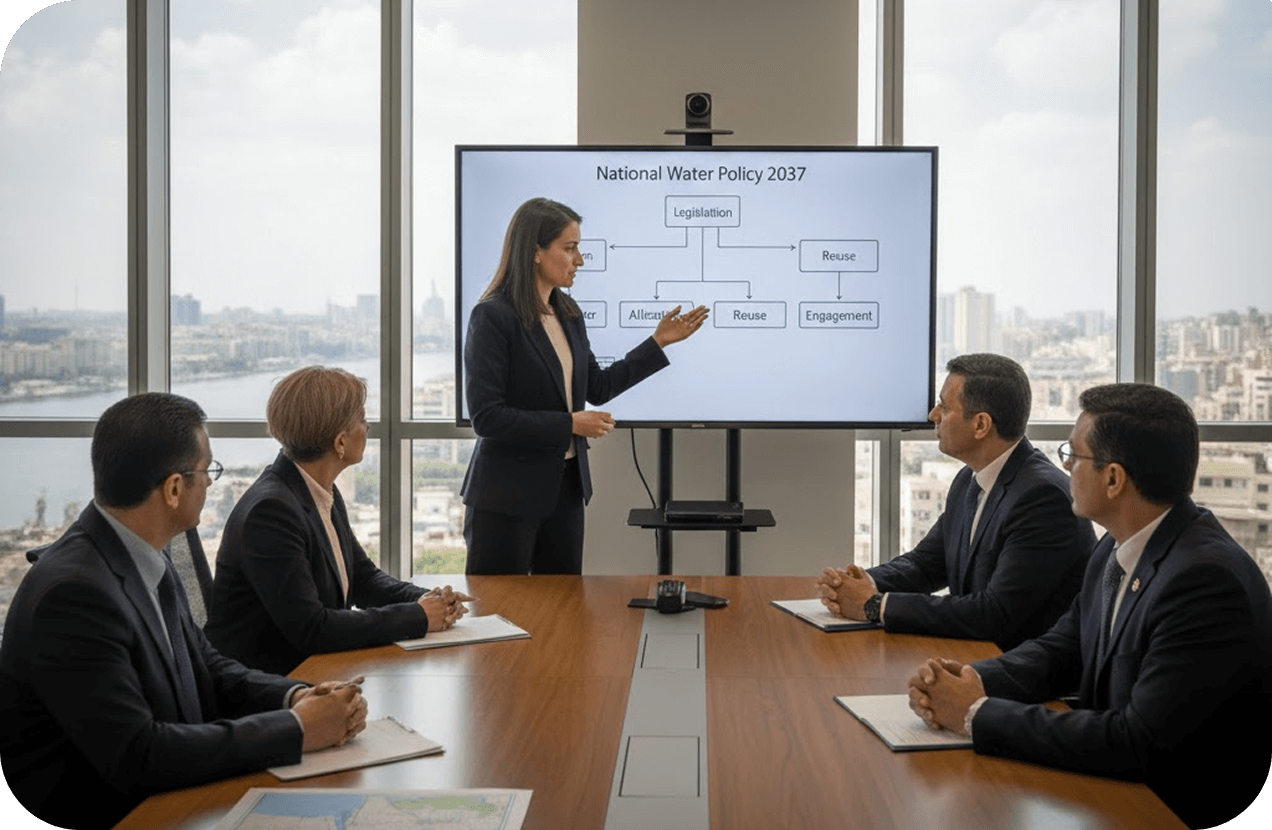
NWRC conducts comprehensive water quality monitoring and pollution control research through:
- The internationally accredited Central Laboratory for Environmental Quality Monitoring (CLEQM)
- State-of-the-art equipment for chemical, biological, and microbiological analyses (ICP-MS, LC-MS/MS, RT-PCR)
- Water quality assessments for rivers, canals, drains, groundwater, and drinking water systems
- Pollution source tracking and impact studies on public health and ecosystems
NWRC supports regulatory bodies, industrial zones, and environmental protection agencies in evidence-based decision-making.
Coastal Zone Management & Protection
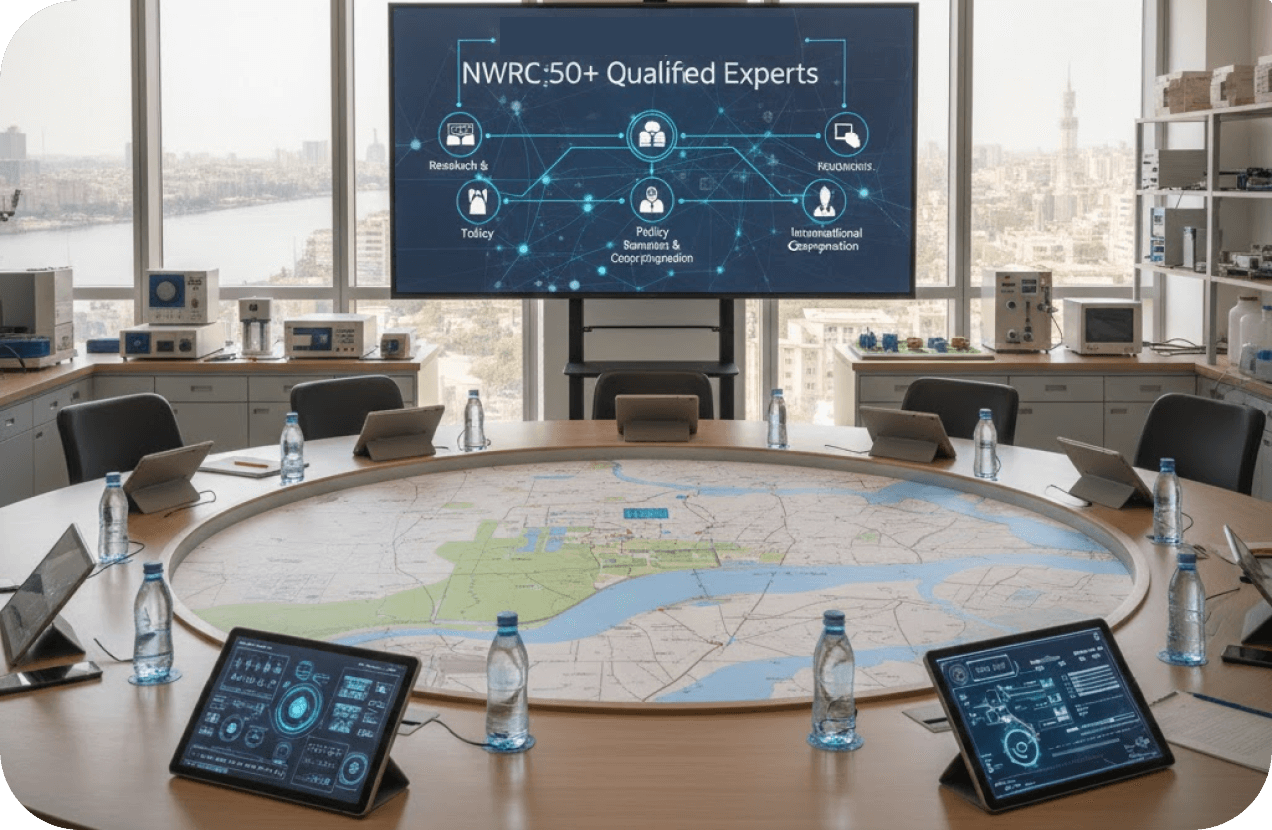
With Egypt’s delta and coastline facing increasing risks, NWRC’s coastal research addresses:
- Physical modeling of wave dynamics, sediment transport, and shoreline retreat
- Assessment of sea level rise impacts on infrastructure and ecosystems
- Evaluation of protection measures such as breakwaters, revetments, and soft engineering
- Integrated Coastal Zone Management (ICZM) strategies linking development with resilience
NWRC plays an instrumental role in designing and validating coastal interventions from the Mediterranean to the Red Sea.
Nature-Based Solutions (NBS) & Eco-Engineering
NWRC explores the use of natural processes for water treatment, climate adaptation, and biodiversity conservation:
- Constructed wetlands for biological wastewater treatment
- Aquatic vegetation systems for nutrient removal and pollution control
- Research on using harvested aquatic weeds for biogas and organic fertilizers
- Piloting ecosystem-based solutions for flood mitigation and groundwater recharge
These innovations contribute to NWRC’s leadership in promoting sustainable, low-cost, and locally appropriate water technologies.
Our Distinctive Strengths in Environmental Sustainability & Climate
- An ISO-accredited central lab recognized as a UNESCO Category-2 Center
- Extensive experience in climate adaptation projects and GCF-aligned research
- National coverage through 435 water quality monitoring points
- Proven methodologies for eco-based interventions and green infrastructure
- Strong engagement in international environmental research and climate diplomacy
NWRC Research Output & Expertise
Explore the comprehensive output of the National Water Research Center through its published research, expert network, and applied technical solutions.
Benefaction of Saline Water Irrigation in Desert Soils: II. Mathematical Modeling of the Distribution of Salts in Soil Macro and Micro-Pores during Wetting and Drying Cycles. #11
فوائد ري المياه المالحة في التربة الصحراوية: الجزء الثاني – النمذجة الرياضية لتوزيع الأملاح في المسام الكبيرة والصغيرة للتربة خلال دورات البلل والجفاف. رقم 10
Benefaction of Saline Water Irrigation in Desert Soils: II. Mathematical Modeling of the Distribution of Salts in Soil Macro and Micro-Pores during Wetting and Drying Cycles. #9

Dr. Islam AlZayed
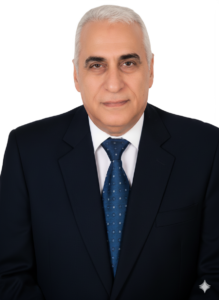

Prof. Dr. Aiman El Saadi
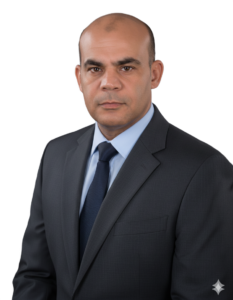
Prof. Dr. Ahmed Hashad

Prof.Dr. Sherif Mohamady
Aquatic Weed Management in Landing Sites on Lakes Kyoga and Albert, Uganda
Heavy infestation along the shores of Lakes Kyoga and Albert in Uganda, driven mainly by Salvinia, disrupted daily activities for lakeside communities and limited their access to usable water. In response, Egypt’s Ministry of Water Resources and…
Read More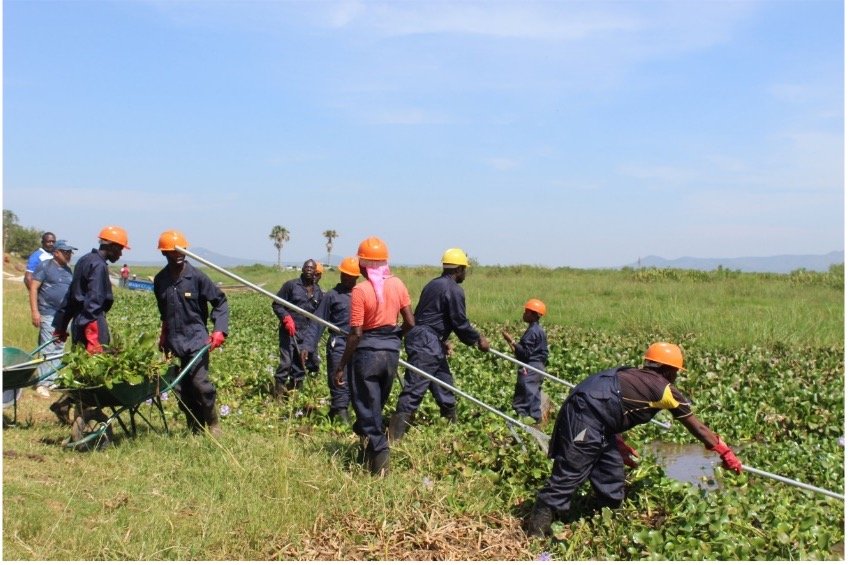
The Joint Cooperation in Applied Research Programme (JCAR)
The Joint Cooperation in Applied Research Programme (JCAR) is a long-term partnership between Egypt and the Netherlands designed to advance sustainable water management through applied research, policy support, innovation, and capacity development. Bringing together key institutions such…
Read More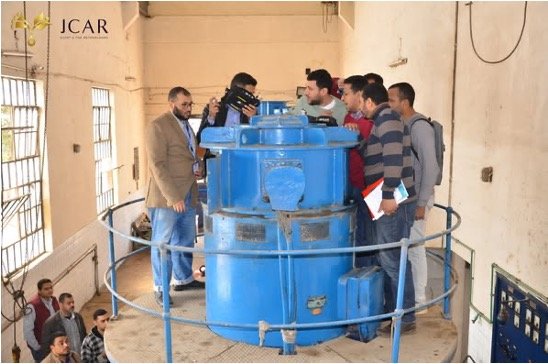
Towards a Safe Coasts In Egypt
The Safe Coasts project is one of several initiatives under the Joint Cooperation in Applied Research (JCAR), a collaboration between Egypt and the Netherlands focused on water management research. Funded by the Dutch Embassy in Egypt, it…
Read More