NWRC’s Strategic Role and Impact
The National Water Research Center (NWRC) embraces digital transformation and technological advancement as core enablers of modern water resource management. Through the Technology & Innovation theme, NWRC integrates geospatial science, data analytics, decision-support platforms, and non-conventional water technologies to drive informed planning, operational efficiency, and scientific discovery. This focus enhances national capacity to respond to water challenges with smart, scalable, and sustainable solutions.
Geo-Spatial Technologies for Water Resources
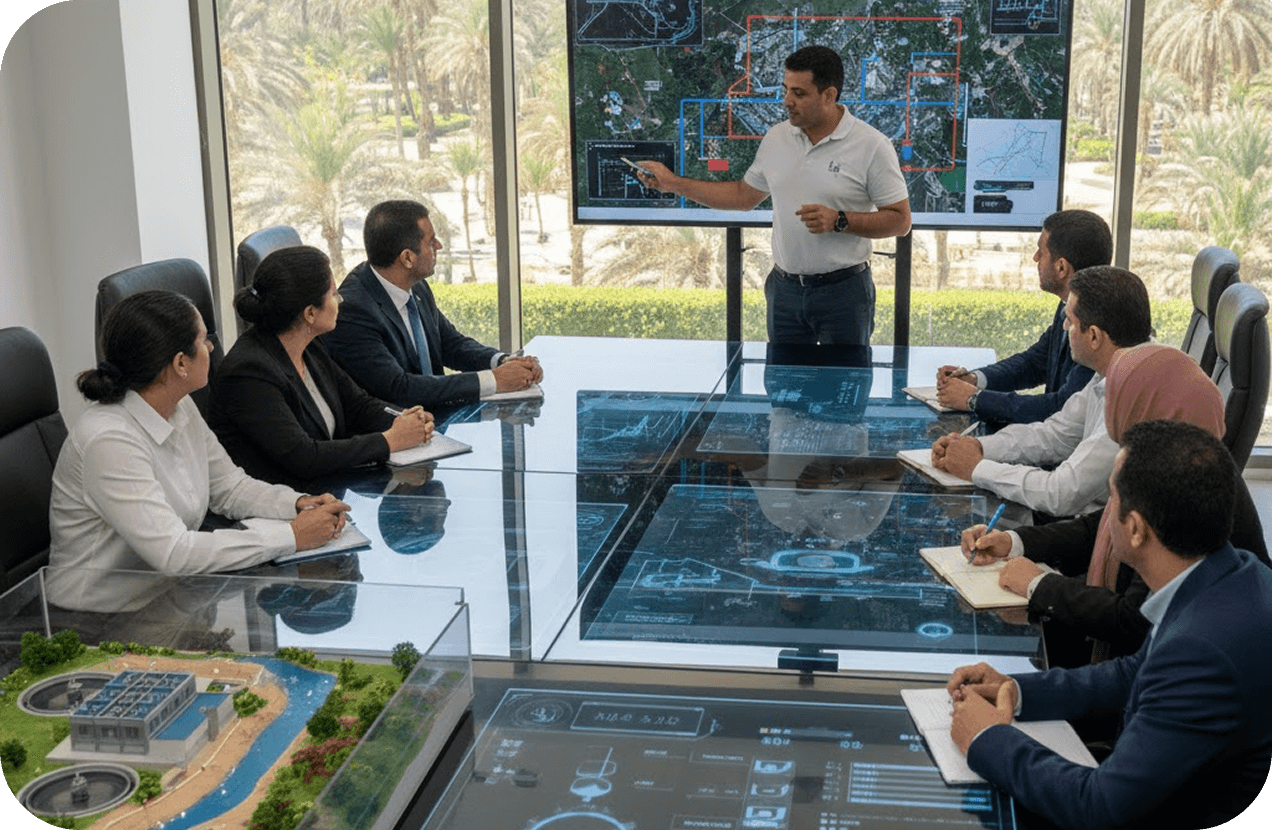
NWRC is a national leader in applying Remote Sensing (RS), Geographic Information Systems (GIS), and satellite-based tools for water resource monitoring, planning, and management. Core competencies include:
- Real-time mapping of water bodies, land use, evapotranspiration, and vegetation cover
- Development of RS-GIS integrated models for hydrological analysis and basin planning
- Use of 3D laser Scnning, drones, and satellite imagery to support irrigation, groundwater, and coastal monitoring
- Custom GIS applications for government agencies and water user associations
NWRC’s geospatial platforms support major projects in the Nile Basin, agricultural modernization, and flood early warning systems.
Desalination & Non-Conventional Water Resources
With increasing pressure on freshwater availability, NWRC pioneers research into alternative water sources, especially desalination and water reuse. The Desalination Laboratory is equipped with:
- Advanced Reverse Osmosis (RO) membranes and filtration systems
- Solar-powered and hybrid energy integration units
- Sensor-based Data Acquisition Systems (DAS) for real-time performance monitoring
- Experimental platforms to optimize energy efficiency and membrane lifespan
NWRC supports national efforts to expand non-conventional water use in coastal zones, new urban areas, and agriculture.
Hydroinformatics & Decision Support Systems
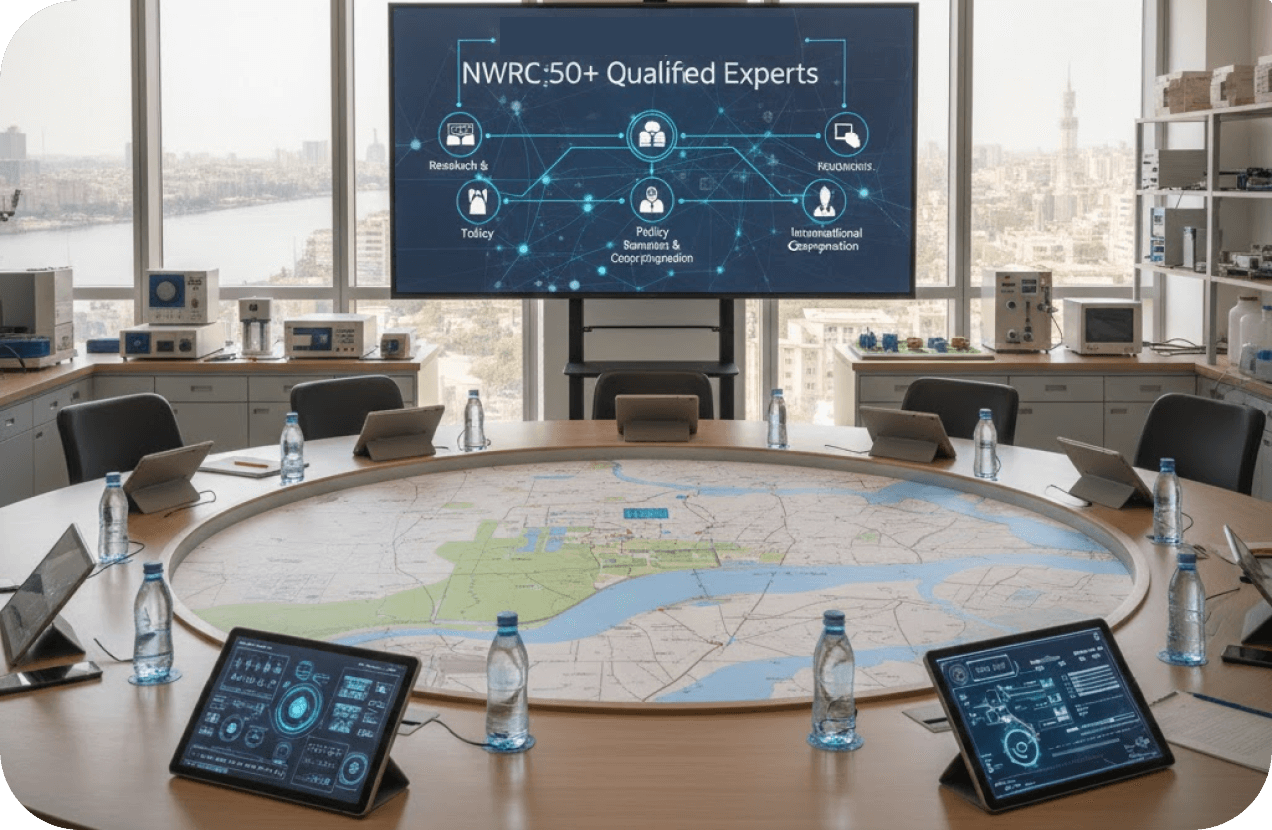
NWRC applies advanced modeling, data analytics, and visualization tools to enhance water decision-making. Key areas include:
- Integrated hydrological and hydraulic simulation models
- Development of real-time monitoring dashboards and early warning systems
- Decision Support Systems (DSS) for irrigation scheduling, reservoir operation, and climate risk response
- AI and machine learning applications for data assimilation and forecasting
These systems empower policy makers, water managers, and planners with timely, evidence-based insights.
Our Distinctive Strengths in Technology & Innovation
- Multidisciplinary teams combining engineering, IT, remote sensing, and data science
- State-of-the-art labs for desalination, GIS, and smart monitoring
- National and regional applications of RS-GIS in water planning and disaster risk reduction
- In-house capacity for developing custom software, simulation tools, and smart models
- Strong partnerships with global leaders in hydroinformatics and satellite science
NWRC Research Output & Expertise
Explore the comprehensive output of the National Water Research Center through its published research, expert network, and applied technical solutions.
Benefaction of Saline Water Irrigation in Desert Soils: II. Mathematical Modeling of the Distribution of Salts in Soil Macro and Micro-Pores during Wetting and Drying Cycles. #11
فوائد ري المياه المالحة في التربة الصحراوية: الجزء الثاني – النمذجة الرياضية لتوزيع الأملاح في المسام الكبيرة والصغيرة للتربة خلال دورات البلل والجفاف. رقم 10
Benefaction of Saline Water Irrigation in Desert Soils: II. Mathematical Modeling of the Distribution of Salts in Soil Macro and Micro-Pores during Wetting and Drying Cycles. #9

Dr. Islam AlZayed


Prof. Dr. Aiman El Saadi

Prof. Dr. Ahmed Hashad

Prof.Dr. Sherif Mohamady
Aquatic Weed Management in Landing Sites on Lakes Kyoga and Albert, Uganda
Heavy infestation along the shores of Lakes Kyoga and Albert in Uganda, driven mainly by Salvinia, disrupted daily activities for lakeside communities and limited their access to usable water. In response, Egypt’s Ministry of Water Resources and…
Read More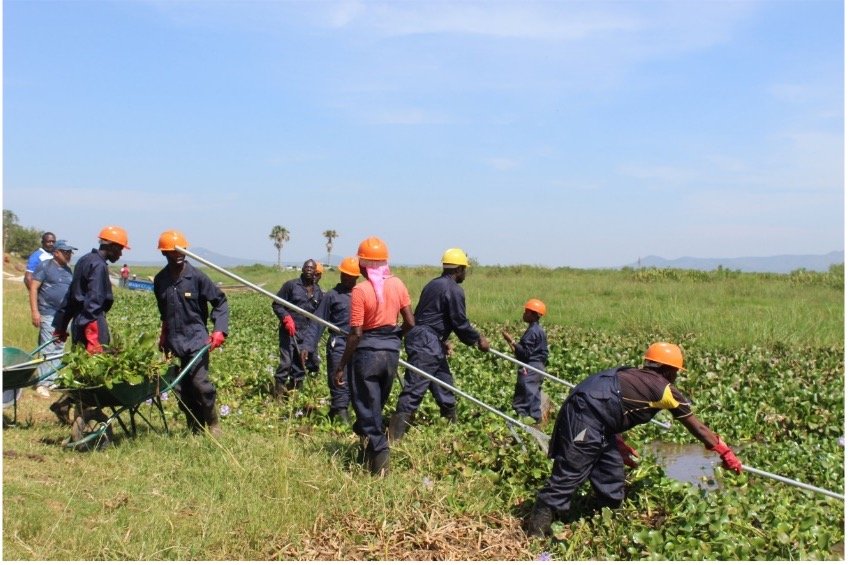
The Joint Cooperation in Applied Research Programme (JCAR)
The Joint Cooperation in Applied Research Programme (JCAR) is a long-term partnership between Egypt and the Netherlands designed to advance sustainable water management through applied research, policy support, innovation, and capacity development. Bringing together key institutions such…
Read More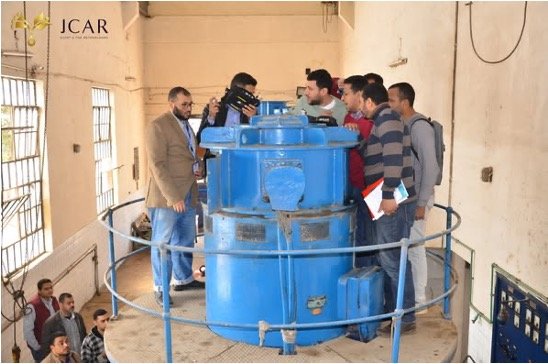
Towards a Safe Coasts In Egypt
The Safe Coasts project is one of several initiatives under the Joint Cooperation in Applied Research (JCAR), a collaboration between Egypt and the Netherlands focused on water management research. Funded by the Dutch Embassy in Egypt, it…
Read More