NWRC’s Strategic Role and Impact
The National Water Research Center (NWRC) plays a strategic role not only as a research institution but also as a national think tank and capacity-building hub. Through its training programs, advisory services, and technical contributions to policy design, NWRC empowers institutions, professionals, and communities to make better decisions, implement sustainable practices, and respond effectively to complex water challenges. The Capacity & Policy theme highlights NWRC’s commitment to building Egypt’s water governance from the ground up—with science at the center.
Capacity Building & Technical Training
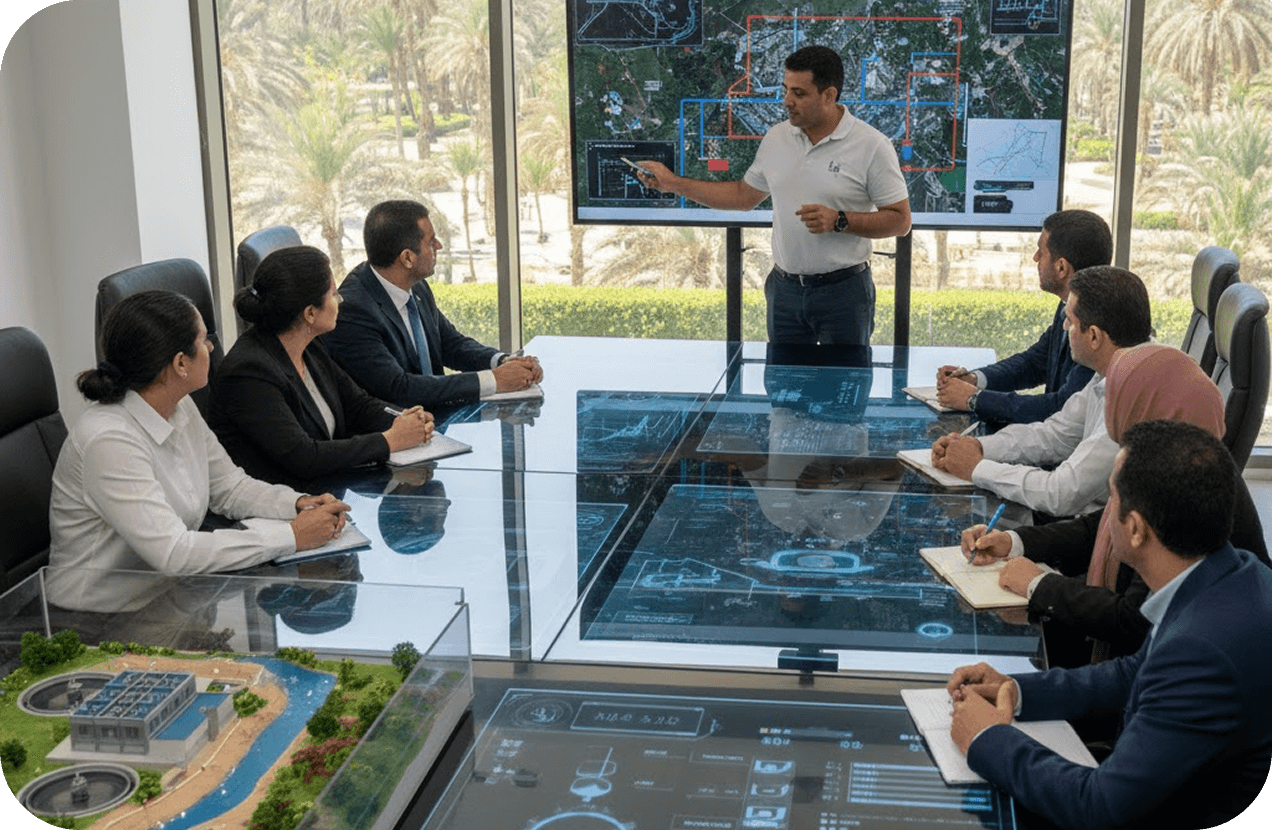
For over four decades, NWRC has been at the forefront of human resource development in the water sector, offering tailored training and knowledge exchange platforms. Key offerings include:
- National and regional capacity-building programs for engineers, researchers, and decision-makers
- Short courses, workshops, and technical diplomas in irrigation, GIS, hydrology, and climate resilience
- Specialized training for Nile Basin countries, African institutions, and Arab region professionals
- Technical mentoring for postgraduate research (MSc/PhD) and junior professionals through NWRC’s affiliated institutes
NWRC’s training model blends theoretical foundations with practical applications, using its rich lab, field, and modeling infrastructure.
Water Governance & Policy Advisory
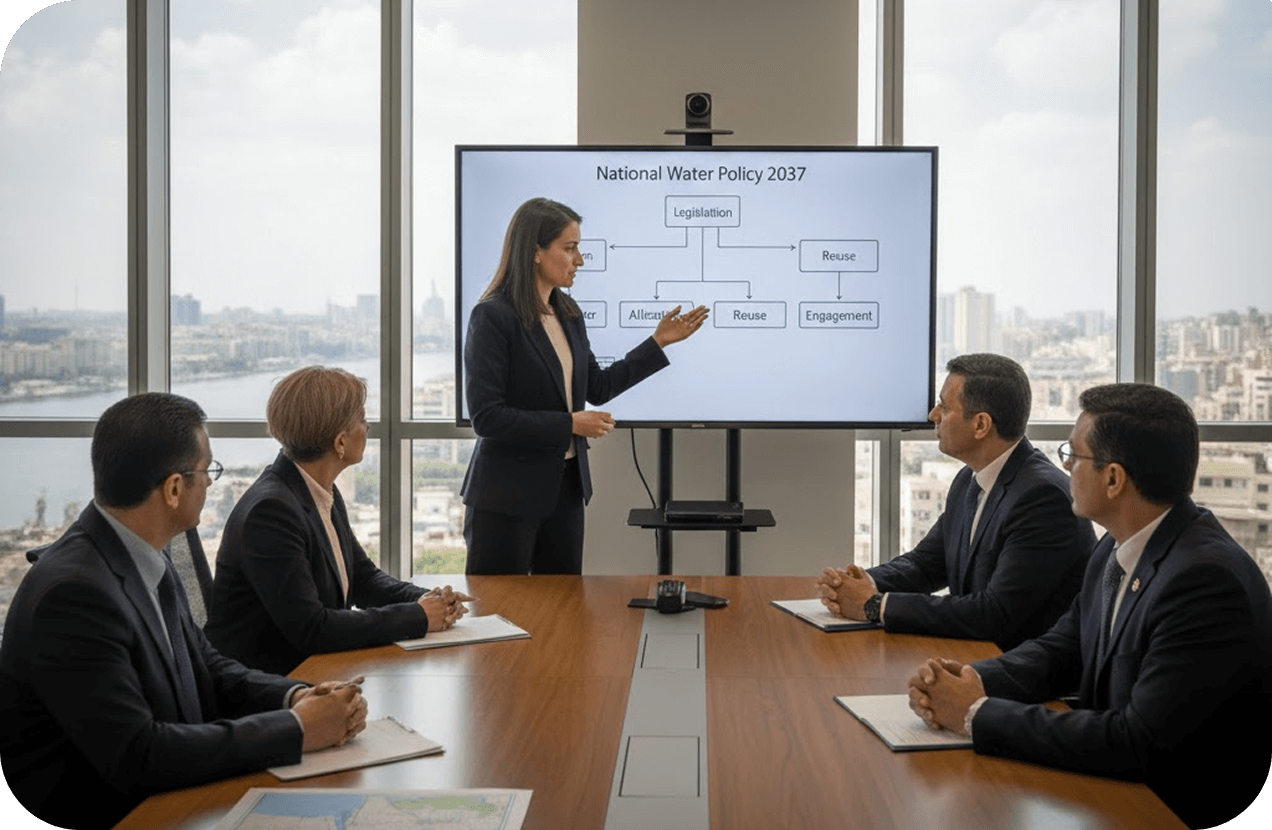
NWRC acts as a trusted advisor to the Ministry of Water Resources and Irrigation (MWRI), supporting policy formulation and strategic planning. Core contributions include:
- Scientific input to Egypt’s National Water Resources Plan 2037 and other national strategies
- Policy briefs and technical papers on water allocation, legislation, and reuse
- Facilitation of stakeholder dialogue and participatory planning
- Representation in regional and global platforms, including UNESCO, GCF, WWC, and AMCOW
NWRC also contributes to drafting laws, setting standards, and conducting regulatory impact assessments that strengthen Egypt’s water governance system.
Our Distinctive Strengths in Capacity & Policy
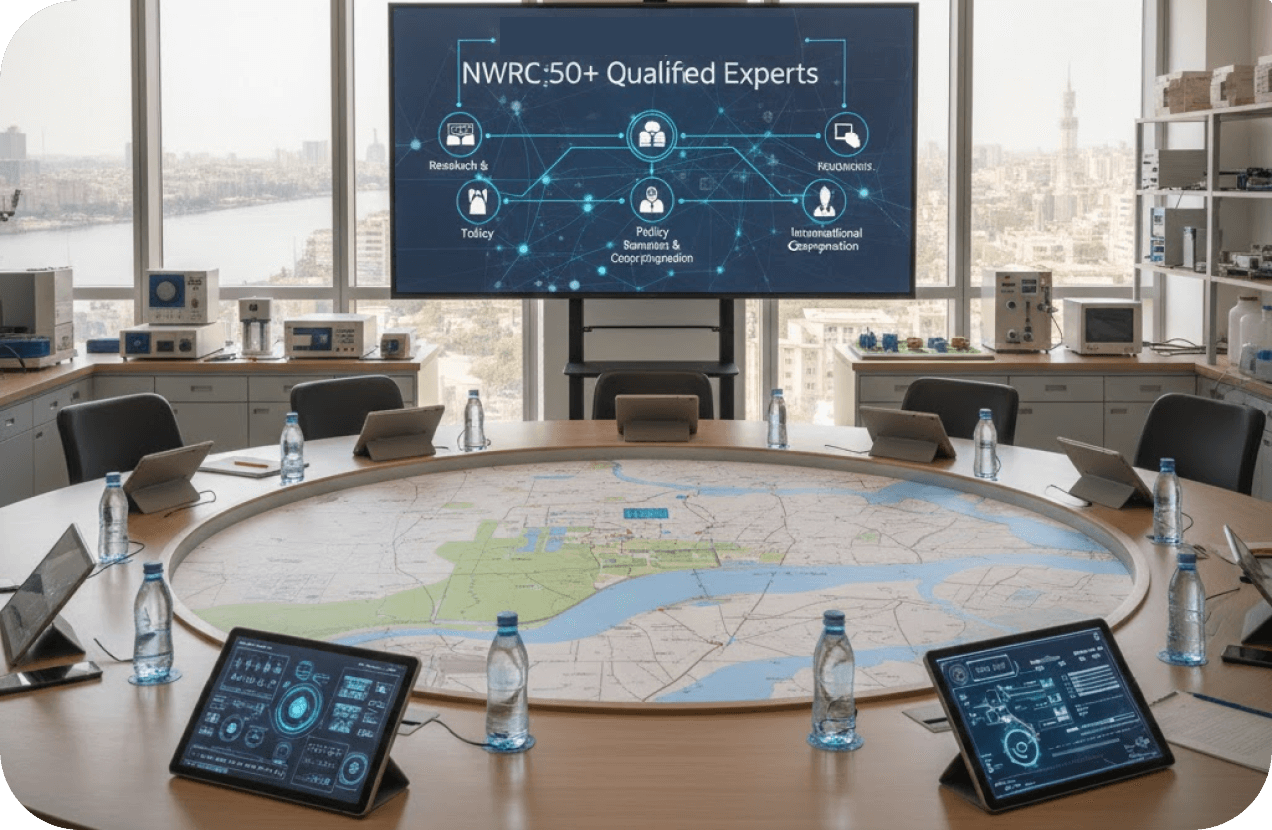
- More than 500 highly qualified experts across 12 institutes with cross-disciplinary expertise
- Established record of training over 10,000 professionals from Egypt, Africa, and the Middle East
- Long-standing role in policy-research interface and national water planning
- Institutional partnerships with leading training bodies, ministries, and multilateral agencies
- Access to research outputs, models, and field data to support evidence-based policy design
NWRC Research Output & Expertise
Explore the comprehensive output of the National Water Research Center through its published research, expert network, and applied technical solutions.
Benefaction of Saline Water Irrigation in Desert Soils: II. Mathematical Modeling of the Distribution of Salts in Soil Macro and Micro-Pores during Wetting and Drying Cycles. #11
فوائد ري المياه المالحة في التربة الصحراوية: الجزء الثاني – النمذجة الرياضية لتوزيع الأملاح في المسام الكبيرة والصغيرة للتربة خلال دورات البلل والجفاف. رقم 10
Benefaction of Saline Water Irrigation in Desert Soils: II. Mathematical Modeling of the Distribution of Salts in Soil Macro and Micro-Pores during Wetting and Drying Cycles. #9

Dr. Islam AlZayed


Prof. Dr. Aiman El Saadi

Prof. Dr. Ahmed Hashad

Prof.Dr. Sherif Mohamady
Aquatic Weed Management in Landing Sites on Lakes Kyoga and Albert, Uganda
Heavy infestation along the shores of Lakes Kyoga and Albert in Uganda, driven mainly by Salvinia, disrupted daily activities for lakeside communities and limited their access to usable water. In response, Egypt’s Ministry of Water Resources and…
Read More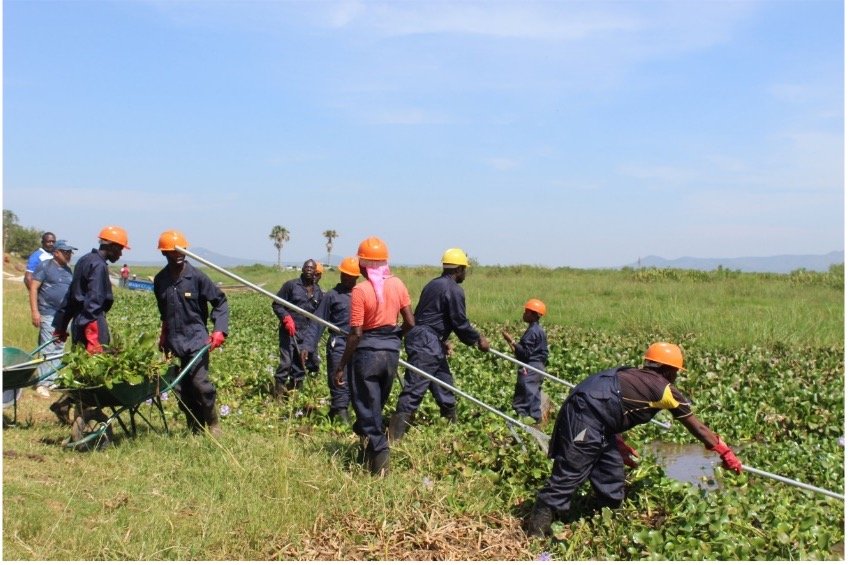
The Joint Cooperation in Applied Research Programme (JCAR)
The Joint Cooperation in Applied Research Programme (JCAR) is a long-term partnership between Egypt and the Netherlands designed to advance sustainable water management through applied research, policy support, innovation, and capacity development. Bringing together key institutions such…
Read More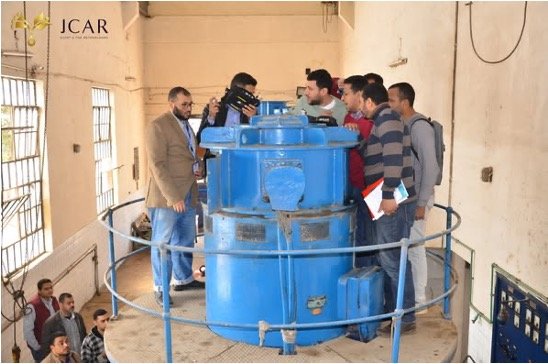
Towards a Safe Coasts In Egypt
The Safe Coasts project is one of several initiatives under the Joint Cooperation in Applied Research (JCAR), a collaboration between Egypt and the Netherlands focused on water management research. Funded by the Dutch Embassy in Egypt, it…
Read More