Meet our Organization Board

Dr. Islam AlZayed

Prof. Dr. Ahmed Hashad
Facilities Overview
As Egypt’s national hub for water research and innovation, the National Water Research Center (NWRC) operates a diverse and advanced infrastructure that underpins its scientific, advisory, and policy-driven missions. NWRC’s facilities are strategically designed to address the full spectrum of water resource challenges—from data acquisition and field experimentation to laboratory analysis, physical modeling, and technology validation.
These assets are categorized into six core domains: Field-Based Research Infrastructure, Physical Modeling and Experimental Halls, Specialized Laboratories, Water Treatment and Reuse Facilities, Aquatic Ecosystems and Weed Management, and Monitoring Networks. Together, they form an integrated platform that supports high-quality research, capacity building, and evidence-based decision-making to ensure sustainable water management in Egypt and the region.
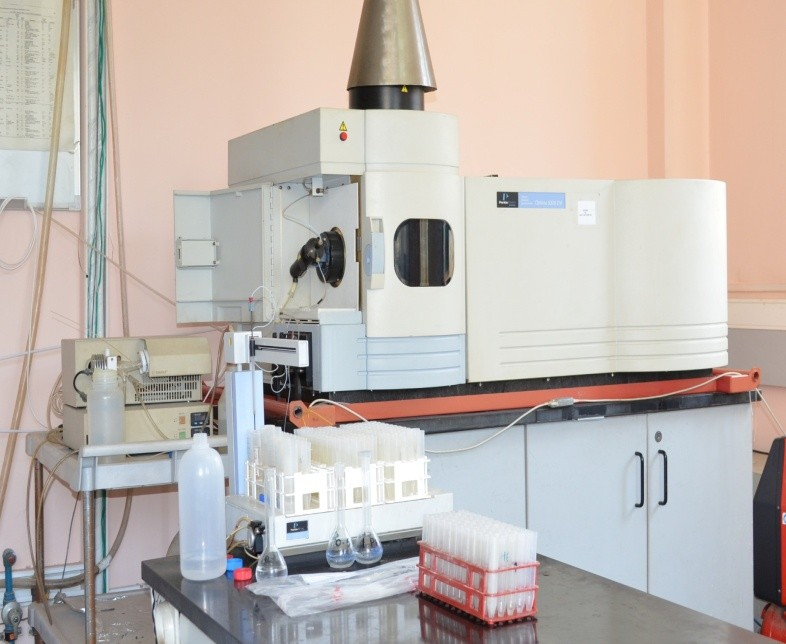
Field-Based Research Infrastructure
These facilities support nationwide data collection, field experiments, and regional research:
- Research Stations Network
- 25 stations strategically located across Egypt for diverse hydrological, soil, and climatic conditions. Includes artificial recharge basins and long-term field research platforms.
- Monitoring Networks
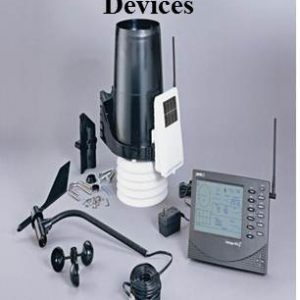
- Surface Water Monitoring Network: 200+ hydrological monitoring stations
- Water Quality Monitoring Network: 435 checkpoints across Egypt
- Groundwater Monitoring and Exploration Systems: Includes geophysical, magnetic, electrical survey tools, test wells, and groundwater modeling platforms
Physical Modeling and Experimental Halls
Dedicated large-scale facilities for simulating hydraulic behavior in controlled environments:
- River Hydraulics Physical Modeling Hall (Hydraulic Research Institute)
- Physical models for rivers, barrages, weirs, canals, bridges, and sediment transport systems.
- Coastal and Harbor Physical Modeling Hall
- Facilities for testing wave action, shoreline dynamics, harbor structures, and coastal protection designs.
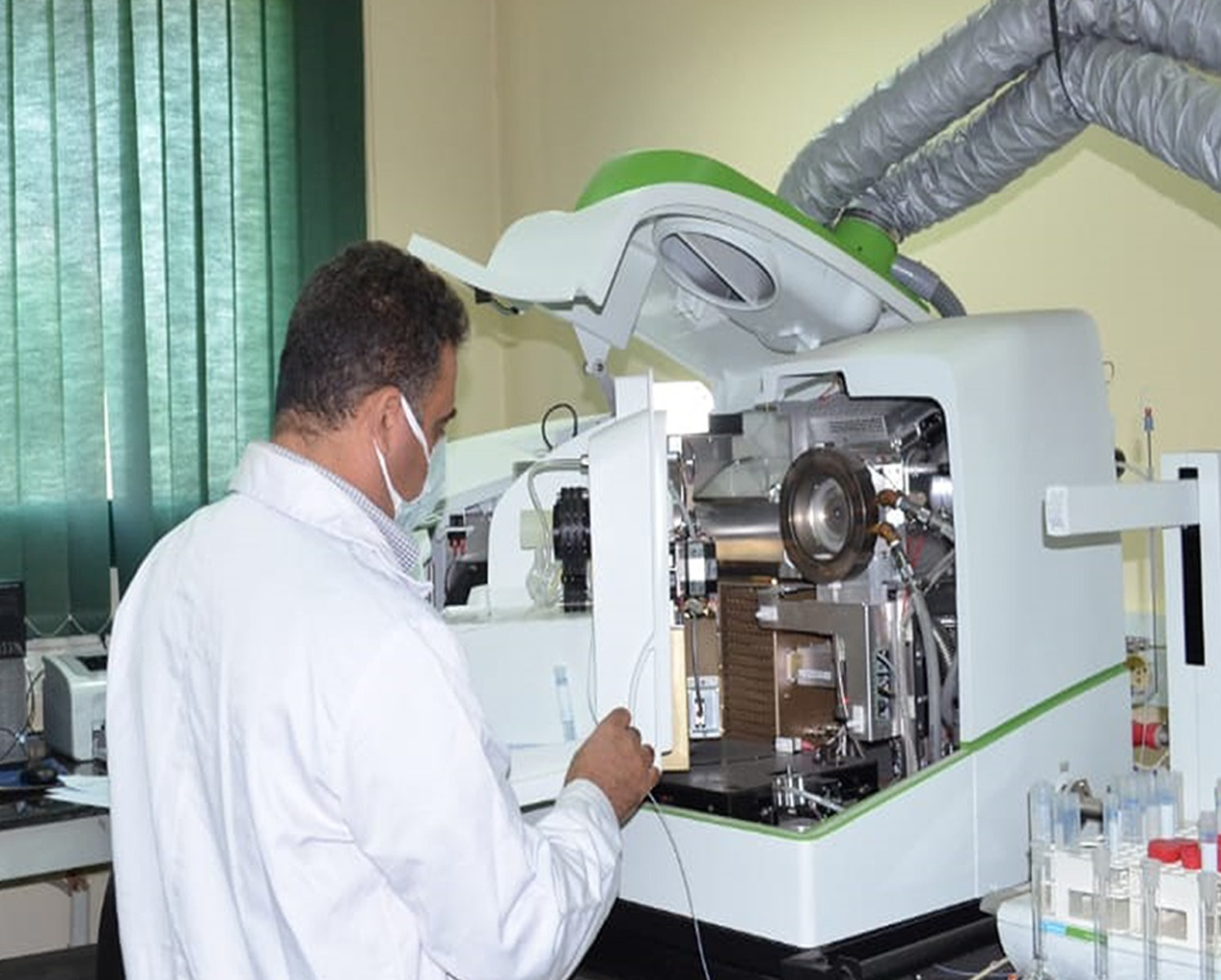
Specialized Laboratories
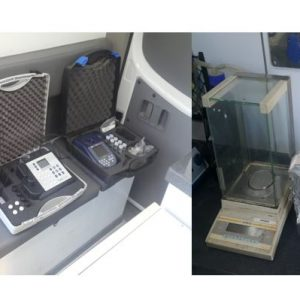
High-tech labs supporting material testing, structural analysis, and environmental quality:
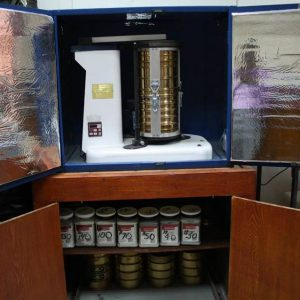
- Soil Mechanics and Foundation Engineering Laboratory
Equipped for in-situ and laboratory testing of soil properties and geotechnical investigations.- Structural Modeling Laboratory
- Structures Dynamics Laboratory
Simulates soil–structure interaction and monitors structural behavior using sensors and data acquisition tools. Investigates seismic and dynamic behavior of structures using shaking tables, accelerometers, and impact systems.
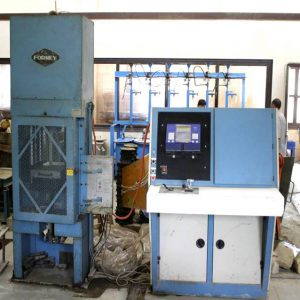
- Materials Properties Laboratory
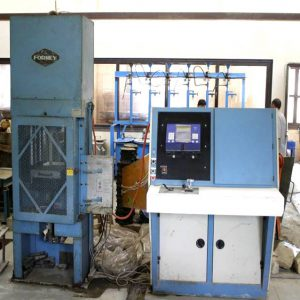
Performs quality control and strength tests for concrete and mortars, including:- UTM tensile and compression testing.
- Humidity and environmental chamber tests.
- Non-destructive testing for material durability.
- Geosynthetics Testing Laboratory
Tests geotextiles and geocomposites used for:- Filtration and separation.
- Reinforcement and stabilization applications.
- Central Laboratory for Environmental Quality Monitoring (CLEQM)
ISO/IEC 17025-accredited; specialized in:- Environmental chemistry and microbiology.
- Soil and water quality analysis.
- Hosting advanced LIMS and QA/QC systems.
Water Treatment and Reuse Facilities
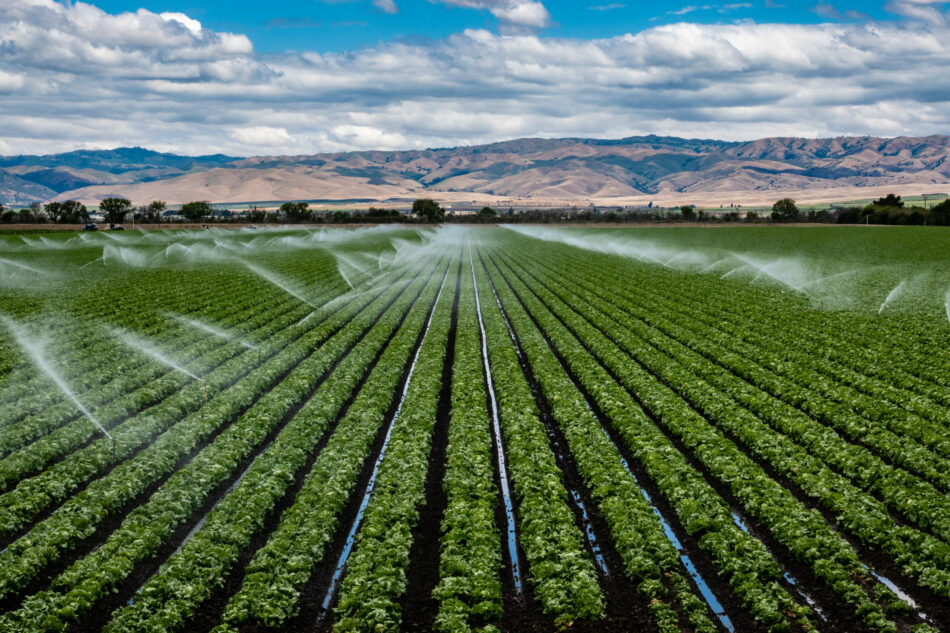
Pilot stations focused on water quality enhancement and resource recovery:
- Desalination Research Station
Advanced RO unit integrated with data acquisition, solar energy modules, and various filtration stages. - Wastewater Treatment Station
Aquatic Ecosystems and Weed Management
Support applied environmental management and biomass utilization:
- Aquatic Weeds Management Facility
Specialized in mapping infested zones, mechanical harvesting, and biogas production from aquatic biomass.
From Our Gallary